
This journal discusses experiences in Japan broadly. IIT’s own program is fee-based; specific opportunities and support are confirmed with the team.
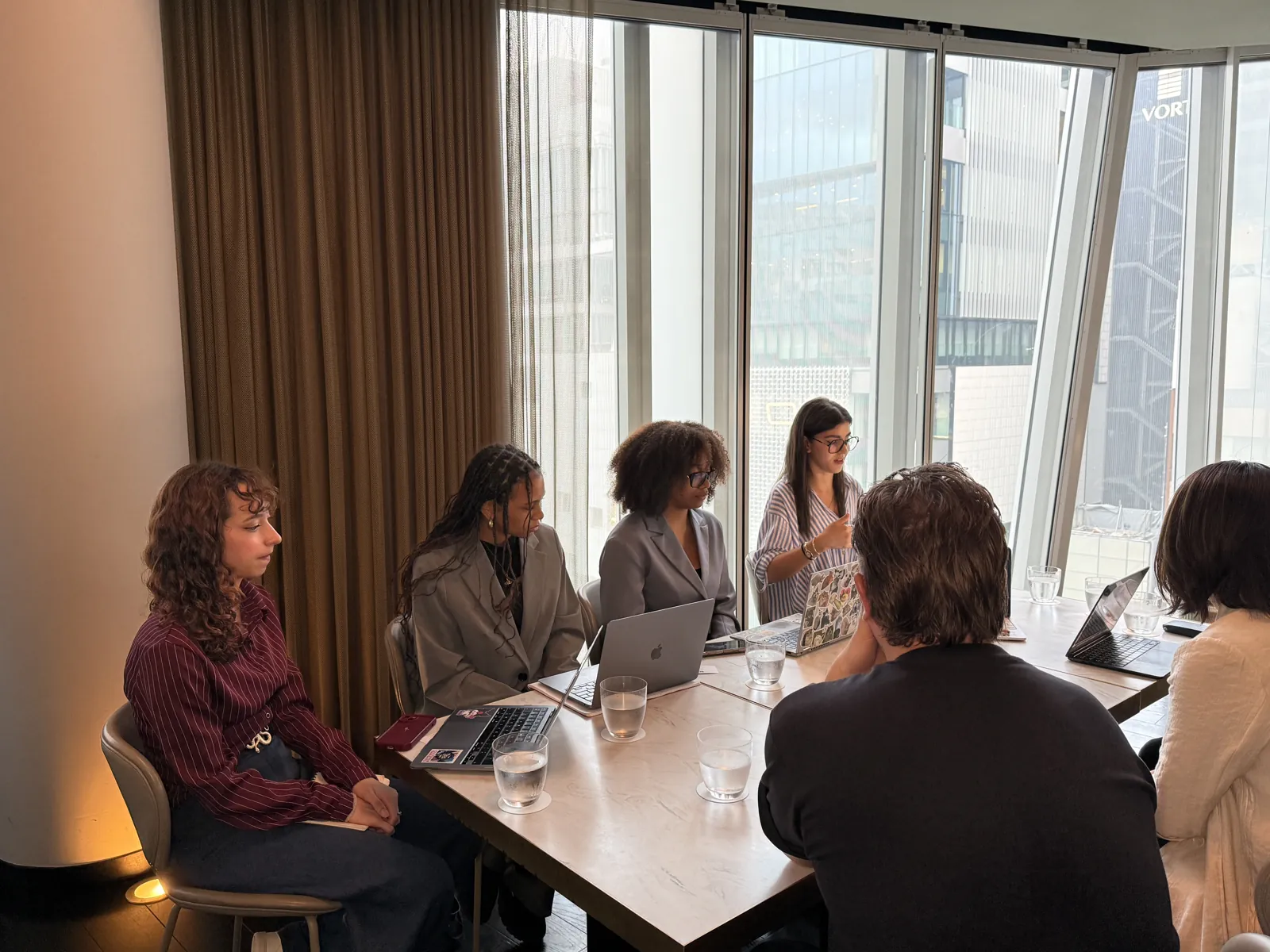
Moving to Japan is exciting; working there is different. Seven culture shocks from a Tokyo internship, from hierarchy and saying no to meetings and etiquette.
You can spend years learning about a country’s food, history, language, and traditions, yet still be surprised when you enter your first local workplace.
When I started working in Japan, I quickly realized that many of the things I considered normal at work were not necessarily normal in a Japanese office. Some differences were small. Others completely changed the way I thought about communication, teamwork, and even productivity.
After spending years living and working in Japan, I’ve experienced plenty of cultural surprises. Some were frustrating at first. Others eventually became things I appreciated.
Here are 7 culture shocks I experienced working in Japan .
Hierarchy Is More Important Than I Expected
One of the first things I noticed was how much importance Japanese workplaces can place on hierarchy.
Job titles, age, experience, and seniority can influence how people communicate with each other. Who speaks first in a meeting, where someone sits, how they are addressed, and even who pours the drinks at a company gathering can sometimes be connected to their position.
This can feel strange if you come from a workplace where everyone is encouraged to communicate casually regardless of their title.
In Japan, however, understanding someone’s position within the organization can be important.
This doesn’t mean that every Japanese company is extremely hierarchical. Startups and international companies can be much more flexible.
But in traditional organizations, hierarchy can influence everyday interactions in ways that foreigners may not immediately understand.
What I learned
I learned to pay more attention to context.
Instead of simply asking, “What is this person’s job?” I started thinking about their role within the organization and their relationship with everyone else.
That small adjustment helped me communicate more effectively.
Saying “No” Can Be Surprisingly Difficult
One of the biggest culture shocks was realizing that Japanese communication is often more indirect than what I was used to.
In some Western workplaces, someone might simply say:
“No, that’s not possible.”
In Japan, the answer might sound more like:
“That could be a little difficult.”
Or:
“We will consider it.”
Or even:
“That’s interesting.”
To someone unfamiliar with Japanese communication, these responses can sound positive or neutral.
Sometimes they aren’t.
The real meaning may depend on tone, context, timing, and the relationship between the people involved.
This is connected to the concept of reading the air , or kuuki wo yomu (空気を読む). Rather than expressing everything explicitly, people may expect others to understand what is being implied.
What I learned
I stopped listening only to the words.
I started paying attention to what wasn’t being said.
This was one of the hardest skills to develop, but also one of the most useful.
Meetings Don’t Always Mean Decisions
Another major culture shock was the role of meetings.
In some workplaces, meetings are where decisions are made.
In Japan, meetings can sometimes serve a different purpose.
A decision may have already been discussed informally before the official meeting. The meeting then becomes a place to confirm information, make sure everyone understands the plan, and avoid surprises.
This can make meetings feel slow from an outsider’s perspective.
You might wonder:
“If everyone already agrees, why are we still discussing this?”
But there is a reason.
Building consensus can be considered more important than simply making the fastest decision.
The process can help prevent misunderstandings and make it easier for people to support the final decision.
What I learned
I learned that speed isn’t the only measure of productivity .
Sometimes spending more time getting everyone aligned can prevent bigger problems later.
That doesn’t mean every meeting needs to be long. But understanding the purpose behind the meeting makes Japanese workplace culture much easier to navigate.
Overtime Can Be About More Than Work
Japan’s reputation for long working hours is well known.
But one thing that was a culture shock was that staying late isn’t always directly connected to how much work someone has.
In some traditional workplaces, leaving before your boss or coworkers can feel uncomfortable.
There can be an unspoken expectation that you should remain at the office because everyone else is still working.
This creates an interesting situation.
Someone might finish their tasks at 6:00 p.m., but still hesitate to leave because their manager is working until 8:00 p.m.
Of course, Japanese working culture has been changing. Remote work, flexible schedules, younger companies, and international workplaces have challenged some of these traditions.
Still, the idea of being seen as committed can sometimes be just as important as actual productivity.
What I learned
I became much more aware of the difference between working hard and looking like you’re working hard .
Those two things aren’t always the same.
For me, that was an important lesson—not only about Japan, but about workplace culture in general.
Workplace Etiquette Is More Detailed Than I Expected
Japanese workplaces can have an impressive number of unwritten rules.
How you exchange business cards and how you introduce yourself.
Where you sit when visiting a company.
How you address someone.
How you behave during a company dinner.
Even small things such as how you hand someone an object or enter a meeting room can have an etiquette component, which can be a culture shock in itself.
At first, this can feel overwhelming.
You may constantly wonder:
“Am I doing this correctly?”
The good news is that most people understand when foreigners don’t know every rule.
The important thing is to show respect and make an effort.
What I learned
You don’t need to master every Japanese business custom overnight.
You just need to observe.
Watch what other people do, ask questions when appropriate, and gradually incorporate what you learn.
Japanese workplace etiquette can seem complicated, but once you understand the logic behind it, many of the customs become easier to remember.
Personal and Professional Relationships Can Overlap
Another culture shock was how much relationships can matter outside the office.
In Japan, work relationships don’t always end when the workday ends.
There may be nomikai , or drinking gatherings with coworkers. There can also be dinners, company events, team outings, and other social occasions.
Participating can sometimes help build relationships in a way that formal workplace communication cannot.
You might discover that the coworker who barely speaks during meetings becomes much more relaxed during dinner.
This doesn’t mean you have to participate in every social event.
But I learned that relationships are an important part of doing business in Japan.
Trust often develops gradually.
People may want to know you as a person before they feel completely comfortable doing business with you.
What I learned
I started thinking about networking differently.
Instead of asking only, “What can this person do for me?” I became more interested in building genuine relationships.
That mindset has been useful far beyond the workplace.
The Line Between “Professional” and “Personal” Can Be Different
Perhaps the biggest culture shock was realizing that Japanese professionalism doesn’t always look the way I expected.
In some cultures, professionalism means being direct, efficient, independent, and willing to challenge ideas.
In Japan, professionalism can also involve being considerate, maintaining harmony, respecting group dynamics, and avoiding unnecessary conflict.
For example, directly criticizing someone’s idea in front of a group may be considered counterproductive.
Instead, disagreement might happen privately or indirectly.
At first, I sometimes interpreted this as a lack of honesty.
Eventually, I understood that it was often a different approach to maintaining relationships and protecting group harmony.
That doesn’t mean the Japanese approach is always better—or that the Western approach is better.
They’re simply different systems.
What I learned
One of the biggest mistakes you can make when working abroad is assuming that your definition of professionalism is universal .
It isn’t.
Every workplace has its own expectations, and every culture has developed different ways of maintaining trust and cooperation.
Culture Shock Isn’t Necessarily a Bad Thing
Looking back, many of these experiences were difficult because I initially judged them according to the standards I already knew.
That’s completely natural.
When something feels strange, our first reaction is often:
“Why do they do it this way?”
Living and working abroad eventually taught me to ask a different question:
“Why does this make sense here?”
That change in perspective makes a huge difference.
You don’t have to agree with every cultural practice. You don’t have to abandon your own values. And you certainly don’t have to pretend that every aspect of Japanese work culture is perfect.
But understanding the reasoning behind cultural differences makes it much easier to work with people from different backgrounds.
What Working in Japan Taught Me
The biggest lesson I took from working in Japan wasn’t about Japanese business etiquette.
It was about adaptability .
Working in another culture forces you to question assumptions that you didn’t even realize you had.
How should a manager communicate?
What makes someone professional?
How should decisions be made?
What does it mean to work hard?
How important are relationships?
There isn’t always one correct answer.
Japan taught me that successful international work isn’t about choosing between “Japanese” and “Western” ways of doing things.
It’s about learning when each approach works—and developing the flexibility to operate between cultures.
And that may be the most valuable skill you can gain from working abroad.
Frequently asked questions
What is the biggest culture shock when working in Japan?
For many people it is hierarchy and indirect communication: decisions take longer, “no” is rarely said directly, and seniority shapes how meetings run.
How long does culture shock last?
It varies, but most interns feel the strongest effects in the first two to four weeks. Routines, friendships and understanding the reasons behind customs make it easier.
Is culture shock a bad thing?
No. It is a normal part of adapting, and working through it builds flexibility and cross-cultural skills that employers value.