
This journal discusses experiences in Japan broadly. IIT’s own program is fee-based; specific opportunities and support are confirmed with the team.
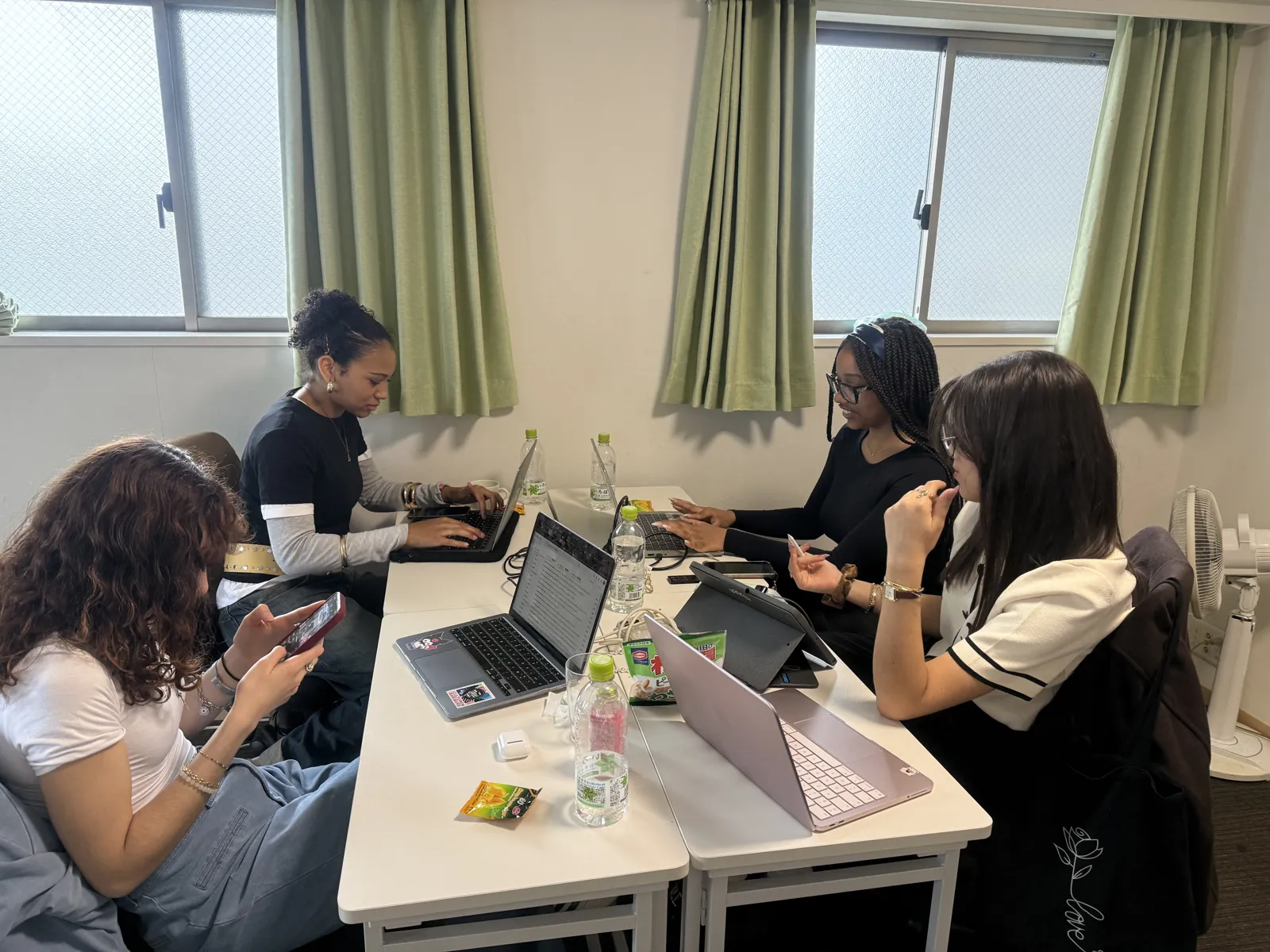
Starting off on the right foot
Starting work in a Japanese office can feel exciting, stressful, and completely unfamiliar at the same time. Whether you are an intern, exchange student, or new employee, the first week often comes with many questions.
What should you say to coworkers? How formal is the workplace? What mistakes should you avoid?
The good news is that you do not need perfect Japanese or years of experience to succeed. With preparation, respect, and an open mindset, you can adapt quickly.
This beginner’s guide will help you survive and succeed during your first week in a Japanese office.
Why Japanese Office Culture Feels Different
Japanese workplaces often place strong importance on:
- Respect and politeness
- Team harmony
- Professional communication
- Punctuality
- Attention to detail
For many foreigners, the biggest adjustment is not the work itself, but understanding the office culture.
The first week is mostly about observing, learning, and building trust. Show initiative and this will definitely make an impression on your coworkers.
Arrive Early Every Day
In Japan, being on time usually means arriving early.
If your work starts at 9:00 a.m., try arriving 10–15 minutes before your shift. This shows professionalism and respect for the team.
Public transportation in cities like Tokyo is reliable, but trains can still experience delays during rush hour, so always plan ahead. Knowing your route is a good failsafe!
Learn Basic Workplace Japanese
You do not need fluent Japanese to make a good impression.
Simple phrases can go a long way:
- Ohayou gozaimasu — Good morning
- Otsukaresama desu — Thank you for your hard work
- Yoroshiku onegaishimasu — Please take care of me / Nice to work with you
- Sumimasen — Excuse me / Sorry
Using even basic polite Japanese shows effort and respect.
Observe Before You Speak
One of the best things you can do during your first week is observe carefully.
Pay attention to:
- How coworkers communicate
- When people speak during meetings
- How formal emails are written
- Office routines and expectations
Japanese office culture often values awareness and reading the atmosphere.
Listening carefully can help you avoid misunderstandings.
Be Professional with Emails and Messaging
Work communication in Japan can be more formal than in many other countries.
Take your time when writing emails or messages. Be polite, organized, and clear.
Companies may use platforms such as Slack , Microsoft Teams , or Japanese communication tools for internal discussions.
Even short responses should remain professional.
Dress Slightly More Formal Than Expected
If you are unsure about the dress code, it is safer to dress more professionally during your first week.
Many Japanese offices prefer clean, simple, and conservative fashion.
After observing the workplace, you can adjust your style appropriately.
Do Not Be Afraid to Ask Questions
Many newcomers worry about making mistakes.
But asking thoughtful questions is usually better than pretending to understand.
If you are unsure about a task, don’t be afraid to:
- Confirm instructions clearly
- Take notes
- Repeat important details back if needed
This shows responsibility and willingness to learn.
Understand Group Culture
Japanese offices often emphasize teamwork over individual attention.
You may notice that coworkers:
- Avoid direct confrontation
- Prioritize group harmony
- Communicate indirectly at times
This does not mean people are unfriendly. It simply reflects a different communication style.
Patience and adaptability are important.
Lunch and After-Work Culture
Lunch breaks can be a great chance to connect with coworkers.
Some employees bring bentos, while others visit nearby restaurants together.
You may also hear about after-work dinners or gatherings called nomikai.
While participation is sometimes optional, joining occasionally can help you build relationships and better understand the team culture.
Common First-Week Mistakes to Avoid
Here are a few common mistakes newcomers make:
- Arriving exactly on time instead of early
- Speaking too casually
- Interrupting others during meetings
- Ignoring small workplace rules
- Staying silent when confused
Remember: your first week is about learning, not perfection.
What You Will Gain from the Experience
Your first week in a Japanese office may feel challenging, but it is also incredibly valuable.
You will develop:
- Cross-cultural communication skills
- Professional confidence
- Adaptability
- Workplace etiquette
- Global experience
These skills can benefit your future career anywhere in the world.
Your First-Week Checklist
Use this simple checklist to make sure nothing slips through the cracks in your first five days:
- Learn the names and roles of the people you work with most closely.
- Confirm your working hours, break times and who to tell if you are late or sick.
- Set up your email signature and the team’s chat tool, and ask how quickly people usually reply.
- Ask where shared files live and how documents should be named.
- Write down every new process the first time you see it.
- Agree on what you should finish by the end of week one, and check in with your supervisor on Friday.
- Say otsukaresama desu when you leave, and thank people who helped you.
None of these steps is complicated, but together they show your team that you are organised, respectful and ready to contribute.
Final Thoughts
Your first week working in Japan may feel unfamiliar at first, but that is part of the experience.
Stay respectful, stay curious, and observe carefully.
Over time, what once felt intimidating can become one of the most rewarding learning experiences of your career!
Frequently asked questions
What should I wear to a Japanese office?
Dress slightly more formally than you would at home in the first week: neat business casual or a simple suit. Once you see what your team wears, you can adjust.
What Japanese phrases should I know for my first day?
Ohayou gozaimasu (good morning), yoroshiku onegaishimasu (nice to work with you), otsukaresama desu (thanks for your hard work) and osaki ni shitsurei shimasu (excuse me for leaving first) cover most daily situations.
Is it OK to ask questions in a Japanese office?
Yes. It is better to ask than to guess. Choose a good moment, keep questions short, and write down the answers so you do not need to ask twice.