
This journal discusses experiences in Japan broadly. IIT’s own program is fee-based; specific opportunities and support are confirmed with the team.
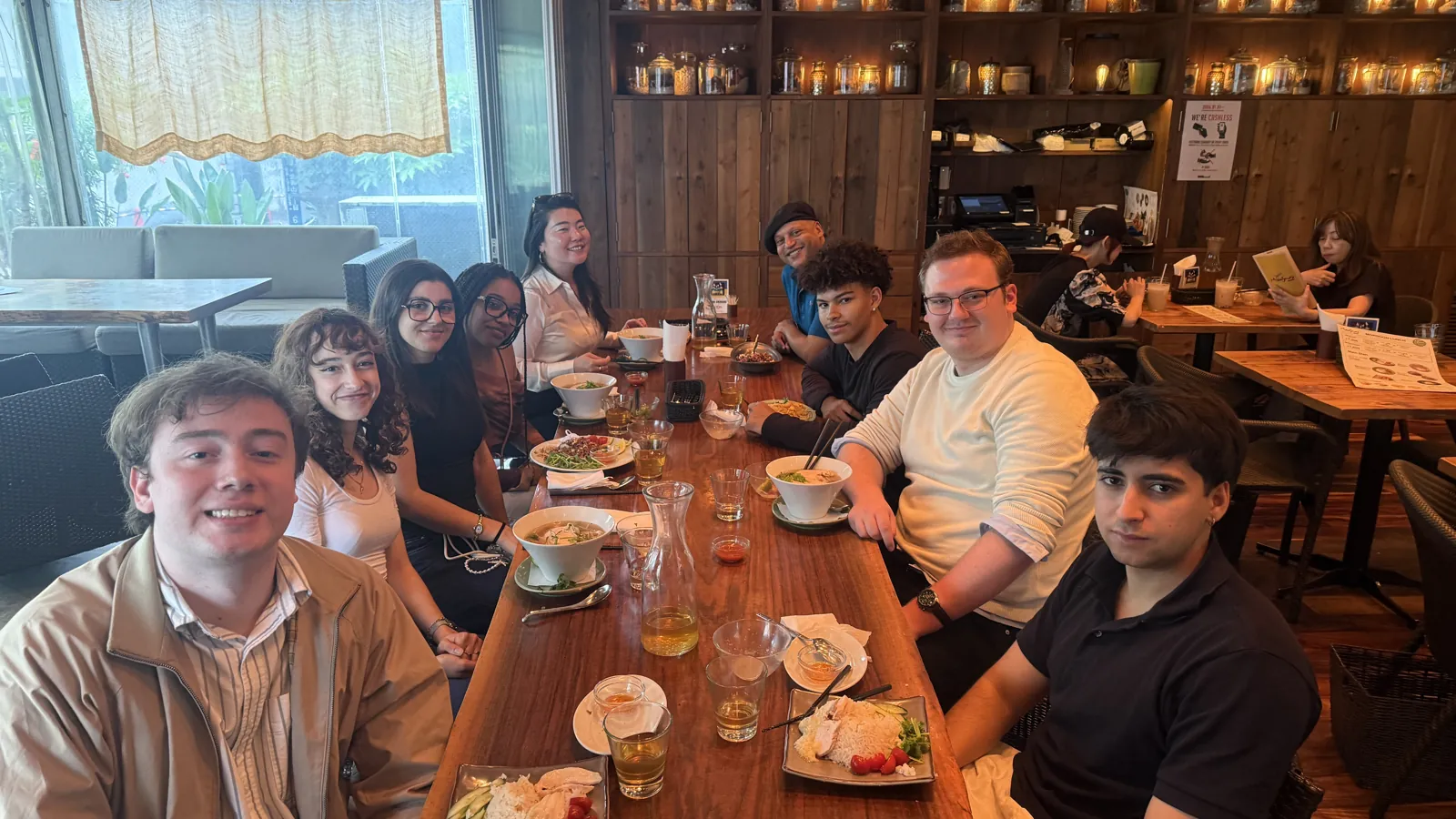
More than Just Drinking After Work
If you’ve ever worked in Japan or watched Japanese dramas, you’ve probably seen coworkers heading to an izakaya after work for drinks. This tradition is called nomikai (飲み会) , which literally means “drinking gathering.”
To outsiders, it may seem like employees are simply going out to drink together. But in reality, nomikai is one of Japan’s most important social and professional traditions , serving as a way to build trust, strengthen relationships, and improve communication outside the office.
Understanding nomikai culture can help international professionals, interns, and travelers better appreciate Japanese workplace dynamics.
What Is a Nomikai?
A nomikai is an informal gathering where coworkers, classmates, or club members meet after work or school to eat, drink, and socialize.
Unlike business meetings, there is usually:
- No formal agenda
- Relaxed conversation
- Shared food
- Alcoholic and non-alcoholic drinks
- A casual atmosphere
Most nomikai take place at:
- Izakaya (Japanese pubs)
- Restaurants
- Beer halls
- Karaoke bars
- Hotels during company events
Although alcohol is common, the real purpose isn’t drinking—it’s building stronger human relationships .
Why Is Nomikai Important?
Japanese workplaces often emphasize professionalism and harmony during working hours.
Employees may avoid:
- Open disagreement
- Personal conversations
- Emotional discussions
- Direct criticism
During a nomikai, however, the atmosphere becomes much more relaxed.
People may:
- Share personal stories
- Talk about hobbies
- Ask managers questions
- Discuss career goals
- Laugh together
This helps coworkers see each other as people rather than just job titles.
The Concept of “Nominication”
There’s even a popular Japanese term:
Nominication (飲みニケーション)
It combines:
- Nomi (飲み) = drinking
- Communication
The idea is that sharing food and drinks makes communication easier.
While the term is sometimes joked about today, it reflects a long-held belief that trust grows through informal conversation.
More Than Alcohol
One common misconception is that nomikai is all about getting drunk.
In reality, many people:
- Drink beer slowly
- Order soft drinks
- Choose tea or juice
- Skip alcohol entirely
Modern Japanese companies are becoming increasingly accepting of employees who don’t drink.
Participation and conversation matter far more than how much alcohol someone consumes.
Building Teamwork
Nomikai can improve teamwork in several ways.
Better Communication
Conversations become more open than they are during office hours.
Employees may feel more comfortable:
- Asking questions
- Sharing concerns
- Offering ideas
Breaking Down Hierarchies
Japanese companies often have clear seniority systems.
During a nomikai:
- Managers become more approachable.
- Junior employees can interact more naturally.
- Different departments get to know each other.
This can strengthen workplace relationships.
Creating Trust
Many Japanese professionals believe it’s easier to work with someone after sharing a meal together.
Trust isn’t built solely through meetings.
It’s also built through:
- Shared experiences
- Conversation
- Mutual understanding
Is Nomikai Mandatory?
Years ago, many employees felt obligated to attend every nomikai.
Today, attitudes are changing.
Many companies now recognize:
- Work-life balance
- Family responsibilities
- Personal preferences
- Non-drinkers
- Mental health
Declining an invitation politely has become more acceptable than it was in previous generations.
That said, attending occasionally is still viewed positively in many workplaces.
Common Nomikai Etiquette
If you’re invited to your first nomikai, these simple etiquette tips will help.
Wait Before Drinking
Don’t begin drinking immediately.
Everyone usually waits until the group is ready for a toast.
The toast is almost always:
Kanpai! (Cheers!)
Pour Drinks for Others
A traditional custom is pouring drinks for coworkers instead of only filling your own glass.
Although younger generations are less strict about this, it’s still appreciated.
Be Respectful
A nomikai is relaxed—but it’s still a work-related event.
Avoid:
- Becoming excessively intoxicated
- Speaking disrespectfully
- Sharing confidential information
- Creating unnecessary conflict
Thank Everyone
At the end of the evening, many people express appreciation with phrases such as:
- “Otsukaresama deshita.”
- “Thank you for today.”
These simple expressions reinforce positive relationships.
Nomikai Is Changing
Japan’s workplace culture continues to evolve.
Younger employees often prefer:
- Coffee meetings
- Team lunches
- Online gatherings
- Activity-based social events
Remote work has also reduced the frequency of traditional nomikai.
Many companies now organize:
- Volunteer events
- Sports activities
- Family-friendly gatherings
- Wellness events
The focus is shifting from drinking to relationship building.
What Foreign Professionals Should Know
Many international employees worry they’ll be pressured to drink alcohol.
Fortunately, this is becoming much less common.
If you attend a nomikai:
- Be friendly.
- Participate in conversations.
- Show interest in your coworkers.
- Respect local customs.
- Don’t feel obligated to drink alcohol.
Most colleagues will appreciate your effort to join the group, regardless of what’s in your glass.
Final Thoughts
Nomikai culture is about far more than alcohol. At its core, it reflects one of Japan’s most important workplace values: building strong relationships through shared experiences.
Whether you’re an intern, an expatriate, or a business traveler, understanding the purpose of a nomikai can help you navigate Japanese workplace culture with greater confidence.
In today’s Japan, the tradition continues to evolve. While drinking itself is becoming less central, the underlying goal remains the same—creating trust, encouraging open communication, and strengthening the bonds that help teams work together more effectively.
Frequently Asked Questions (FAQ)
What does nomikai mean?
Nomikai (飲み会) literally means “drinking gathering” and refers to an informal social event where coworkers, classmates, or club members eat and drink together.
Do you have to drink alcohol at a nomikai?
No. Many people choose soft drinks, tea, or non-alcoholic beverages. Participation is more important than drinking alcohol.
Is nomikai mandatory in Japan?
It depends on the company. While attendance was once expected, many modern workplaces respect personal choice and work-life balance.
Why do Japanese companies hold nomikai?
Nomikai helps strengthen relationships, improve communication, and build trust among coworkers outside the formal office environment.
Can foreigners attend a nomikai?
Absolutely. Foreign professionals are often encouraged to join, and participating respectfully is a great way to better understand Japanese workplace culture.
← Back to the journal