
This journal discusses experiences in Japan broadly. IIT’s own program is fee-based; specific opportunities and support are confirmed with the team.
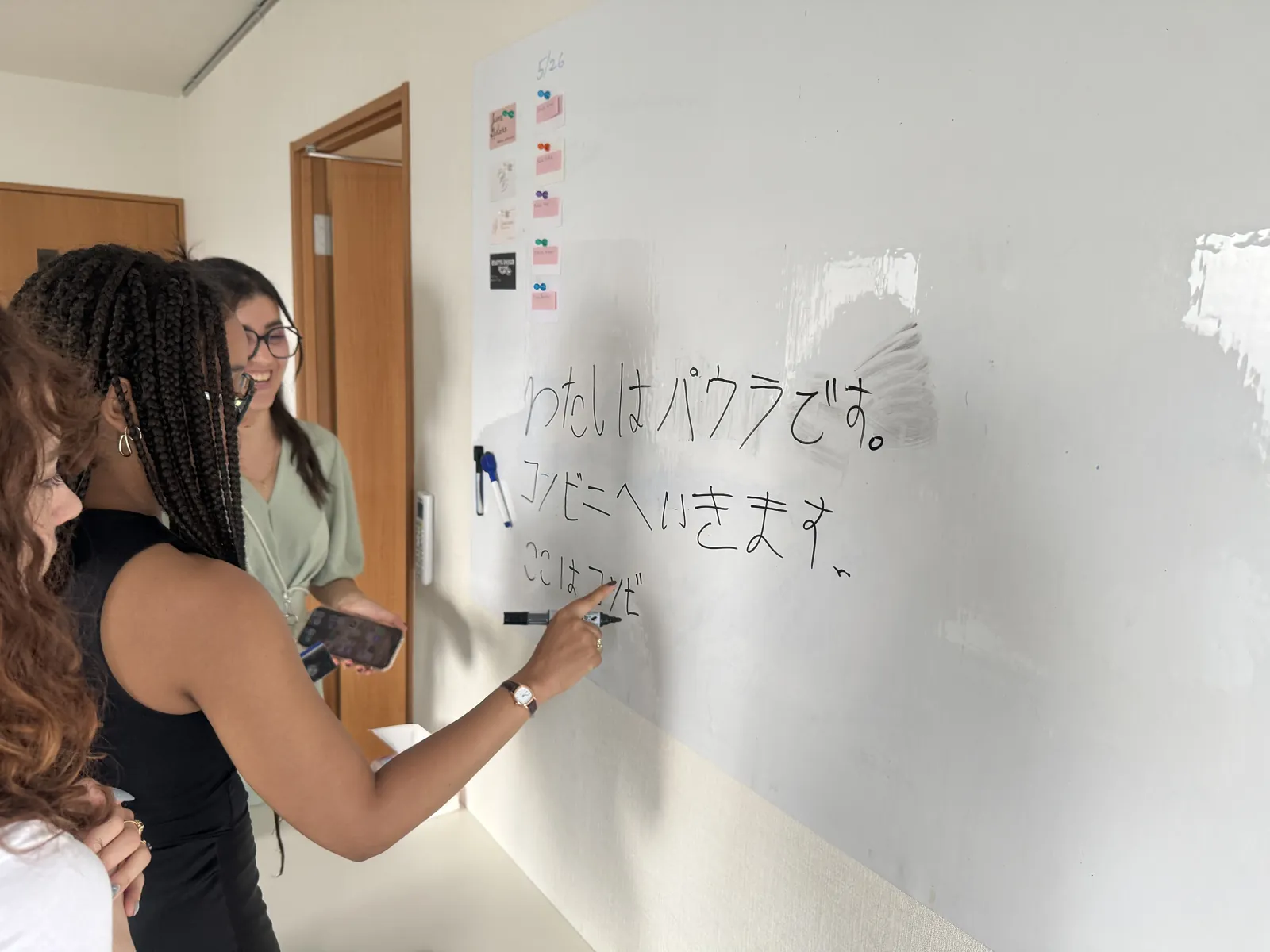
What I Learned Through Communication
Why many Japanese people feel nervous speaking English: exam-focused school, fear of mistakes and perfectionism, and how to make conversations comfortable.
You ask someone a simple question in English. They smile politely, hesitate, apologize, and quietly say, “Sorry… I don’t speak English.”
Then, moments later, they answer your question in surprisingly good English.
So why do many Japanese people seem nervous about speaking English—even after studying it for years?
After living and working in Japan for many years, I’ve realized that the answer has very little to do with grammar or vocabulary. Instead, it’s deeply connected to culture, education, and confidence.
Understanding this changed the way I communicate, teach, and build relationships in Japan.
It’s Not That They Can’t Speak English
One of the biggest misconceptions foreigners have is assuming that Japanese people don’t know English.
In reality, almost everyone studies English throughout junior high school and high school. Many continue learning at university or through private language schools.
Most people understand far more English than they are comfortable speaking.
Reading? Often decent.
Listening? Improving.
Writing? Usually manageable.
Speaking spontaneously? That’s where anxiety appears.
The issue isn’t always language ability—it’s confidence.
Making Mistakes Can Feel Embarrassing
Japanese culture places a strong emphasis on doing things correctly.
From childhood, people are encouraged to prepare carefully, avoid causing inconvenience to others, and strive for accuracy.
When speaking a foreign language, mistakes are inevitable.
For many Japanese learners, the fear isn’t simply making a grammatical error. It’s the possibility of saying something awkward, being misunderstood, or feeling embarrassed.
Rather than risk making a mistake, many choose silence.
Ironically, this often makes foreigners think they don’t know English at all.
School Often Prioritizes Exams
English education in Japan has traditionally focused on entrance examinations.
Students spend years learning:
- Grammar
- Vocabulary
- Reading comprehension
- Translation
- Test-taking strategies
What many students receive less of is regular conversational practice.
Speaking naturally with another person requires a completely different skill set than selecting the correct multiple-choice answer.
Even students with excellent test scores may have very limited experience holding everyday conversations.
Perfectionism Creates Pressure
I’ve noticed that many Japanese learners want to speak perfectly before they speak at all.
As English speakers, we’re often comfortable communicating even if our grammar isn’t perfect.
We improvise, guess, and keep talking.
Many Japanese learners, however, feel they should already know the correct answer before speaking.
If they aren’t confident, they often remain quiet instead.
This perfectionism slows confidence far more than it slows language ability.
Foreigners Sometimes Make It Harder
This was one of the biggest lessons I learned.
Many native English speakers unintentionally make conversations more stressful by:
- speaking too quickly
- using slang
- asking several questions at once
- interrupting
- correcting every mistake
Imagine trying to speak another language while someone speaks at full speed using idioms you’ve never heard.
It would be intimidating for anyone.
When I slowed down, simplified my English, and became more patient, conversations became much more relaxed.
Confidence Grows Through Positive Experiences
Language confidence isn’t built through memorizing grammar rules.
It’s built through successful conversations.
A simple exchange like ordering coffee, introducing yourself, or discussing hobbies can give someone confidence to try again.
Each positive interaction makes the next one a little easier.
That’s why friendly, encouraging conversations matter so much.
I Learned That Silence Doesn’t Mean Disinterest
Early on, I sometimes interpreted silence as a lack of interest.
I couldn’t have been more wrong.
Many Japanese people are actually listening very carefully.
They’re thinking about:
- choosing the right words
- being polite
- avoiding misunderstandings
- making a good impression
Once I understood this, I stopped rushing to fill every pause.
Giving someone a few extra seconds often leads to a thoughtful response.
Creating a Comfortable Environment Matters
I’ve found that people become much more willing to speak English when they know they won’t be judged.
Simple habits make a huge difference:
- Smile genuinely.
- Speak clearly rather than loudly.
- Use simple vocabulary.
- Be patient with pauses.
- Celebrate communication instead of perfection.
- Avoid interrupting.
- Show appreciation for the effort.
The goal isn’t perfect English.
The goal is successful communication.
The Same Fear Exists Everywhere
Living in Japan also made me reflect on my own experiences learning other languages.
Speaking a second language is vulnerable.
Everyone worries about sounding foolish.
Everyone makes mistakes.
The difference is simply how comfortable people are with making those mistakes publicly.
In that sense, Japanese learners aren’t unique—they’re simply expressing a very human fear.
What I Learned
The biggest lesson wasn’t about English.
It was about empathy.
When someone hesitates to speak another language, they aren’t necessarily lacking ability.
They’re often protecting themselves from embarrassment.
By slowing down, encouraging effort, and creating a safe environment, conversations become more enjoyable for everyone.
Some of the most meaningful conversations I’ve had in Japan started with someone saying, “My English isn’t very good.”
Usually, it turned out to be much better than they believed.
Sometimes all they needed was someone willing to listen patiently.
Looking Back
Understanding why many Japanese people feel nervous speaking English helps bridge more than just a language gap—it builds cultural understanding.
Whether you’re visiting Japan, working with Japanese colleagues, or participating in an internship, patience and encouragement can transform conversations.
The next time someone apologizes for their English, remember that they may know far more than they’re comfortable showing.
A smile, a slower pace, and a little patience might be all it takes to help them find their confidence.
Frequently Asked Questions
Why are many Japanese people nervous about speaking English?
Many Japanese people worry about making mistakes, being misunderstood, or embarrassing themselves. Cultural values emphasizing accuracy and consideration for others can make speaking a foreign language feel especially intimidating.
Do Japanese people learn English in school?
Yes. English is a required subject throughout much of Japan’s education system. However, traditional instruction has often emphasized grammar, reading, and exams more than conversational practice.
How can foreigners help Japanese people feel more comfortable speaking English?
Speak clearly, avoid slang, be patient with pauses, encourage communication instead of perfection, and create a relaxed, judgment-free conversation.
Is English proficiency improving in Japan?
Yes. Younger generations generally have more opportunities to practice speaking through international travel, online communication, global companies, and modern language-learning methods than previous generations.
← Back to the journal